ultracode ~ workflows
Deploy a swarm of agents, not just 10, but a hundred


ultracode ~ workflows
Deploy a swarm of agents, not just 10, but a hundred
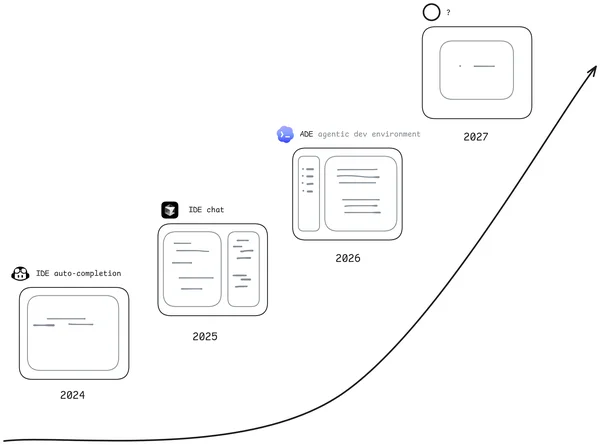
my current state with ai
Aesthetic Genius of Teenage Engineering
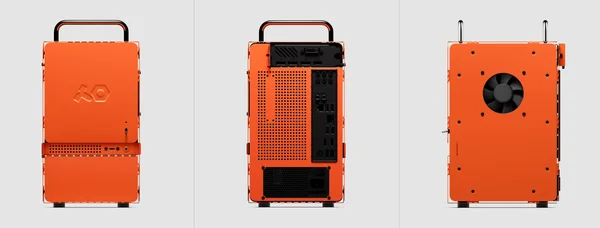
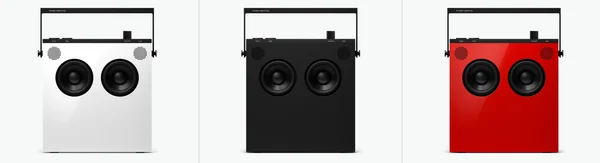
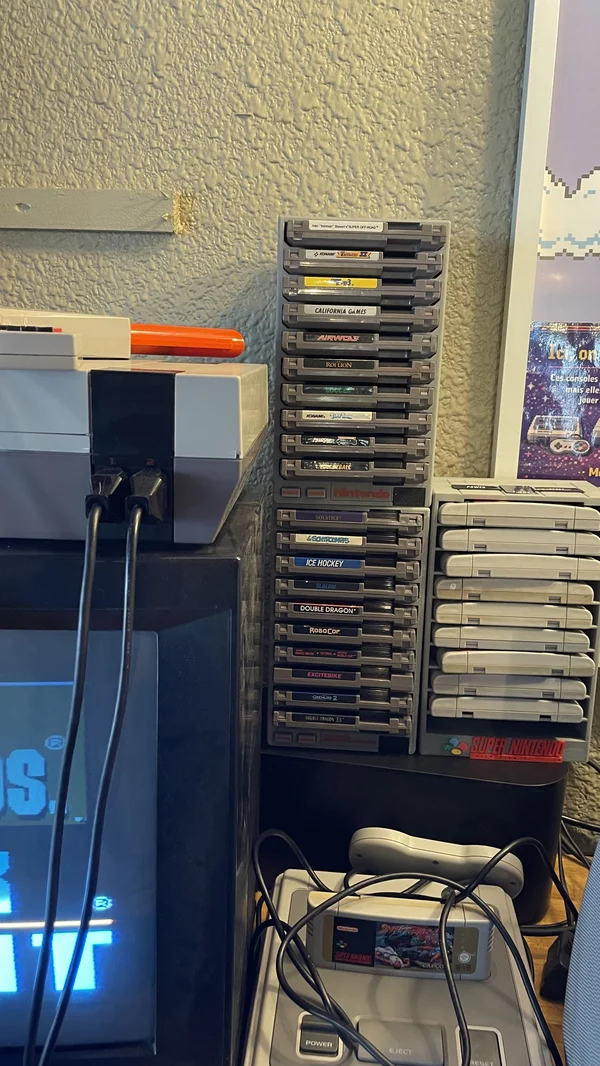
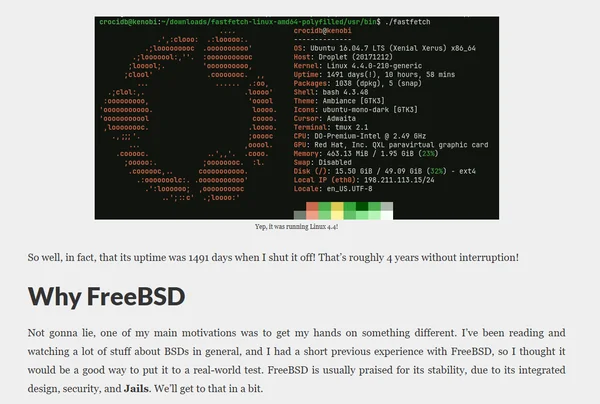
Every dev's first VPS feels like 1972 because deep down we know we are running our small website on a linux box in a german basement and that is, somehow, the most powerful computing arrangement of all time

good to bench your webserv like nginx or caddy

This blog ran on Ubuntu 16.04 for 10 years. I migrated it to FreeBSD (jail - bastille)
3d print
CAO uses :
⁘ Parametric
CadQuery
⁘ Parametric
Build123d
organic modeling uses :
⁘ Polygon Meshes
Trimesh
⁘ Distance fields SDF
MagicaCSG
Womp
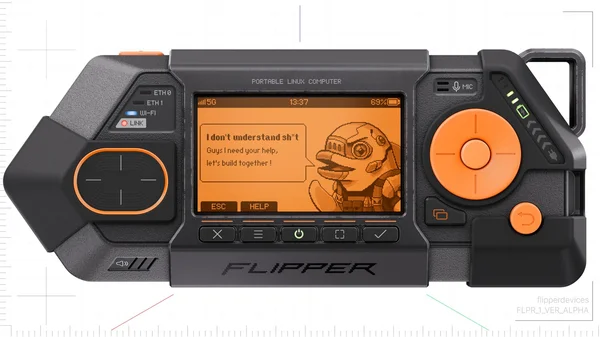
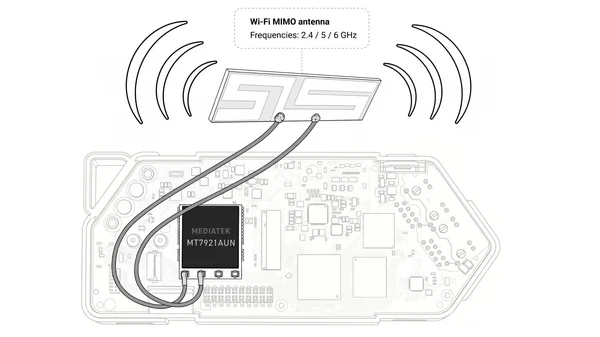
Flipper One
MediaTek MT7921AUN chipset 🔥
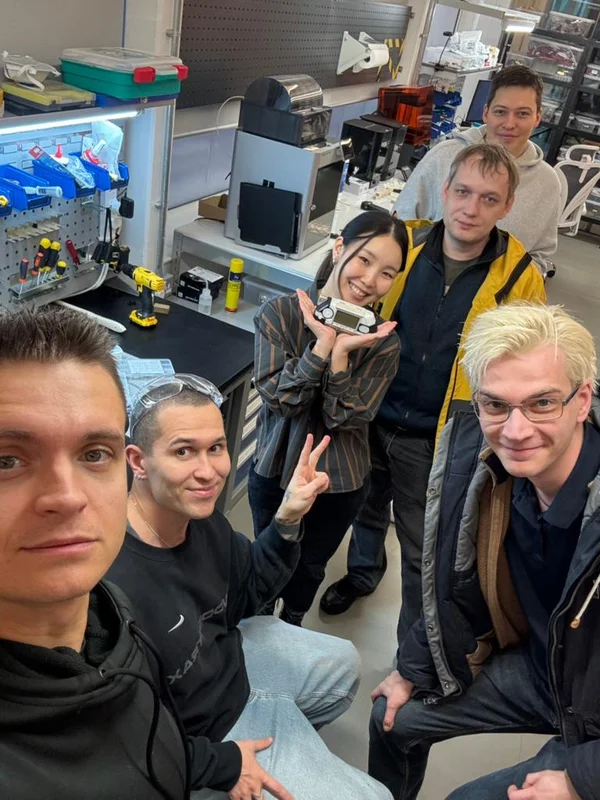
Damn, that’s so powerful. Gemini 3.5 Flash transformed my Excalidraw wireframe into Matplotlib to let me preview my 3D file. It also generates a Python script with very few lines, in combination with UV.
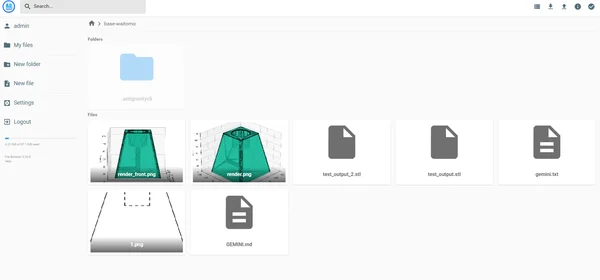
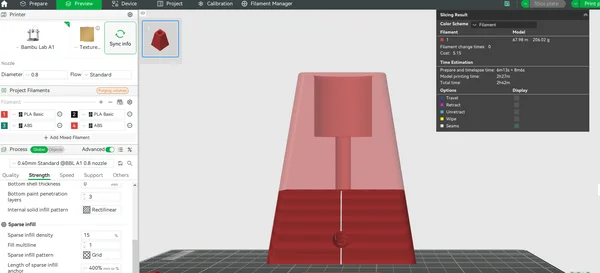
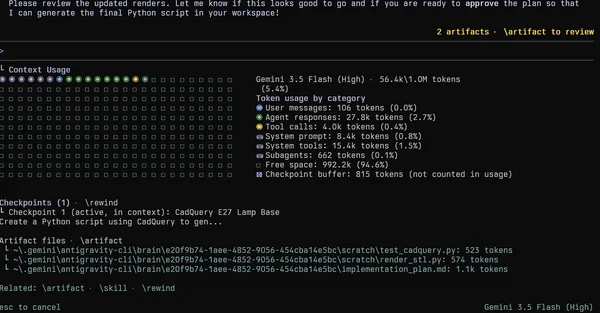
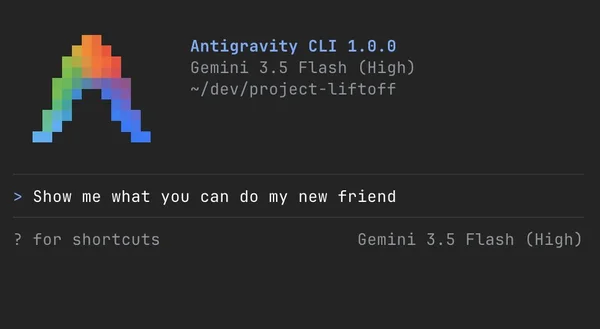
Antigravity Harness x Gemini 3.5 Flash
Build with Bubble Tea & Lip gloss
curl -fsSL https://antigravity.google/cli/install.sh | bash
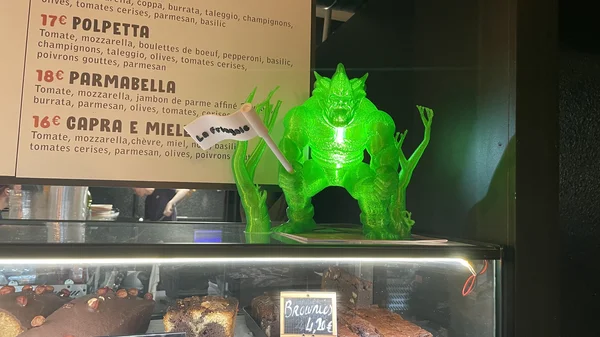
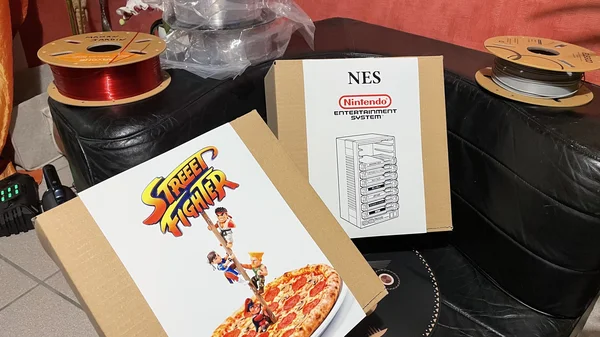
Petite surprise pour la fringalle Granville
──────▄▀▄─────▄▀▄
─────▄█░░▀▀▀▀▀░░█▄
─▄▄──█░░░░░░░░░░░█──▄▄
█▄▄█─█░░▀░░┬░░▀░░█─█▄▄█
Nice talk 🐈
Mistral CEO 12/05/26

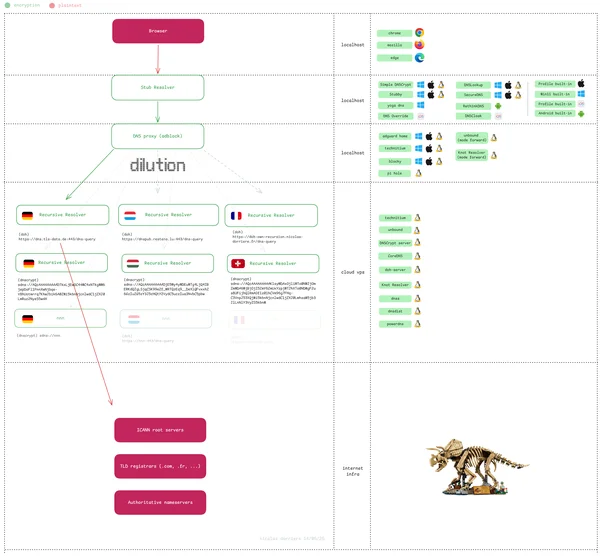
DNS
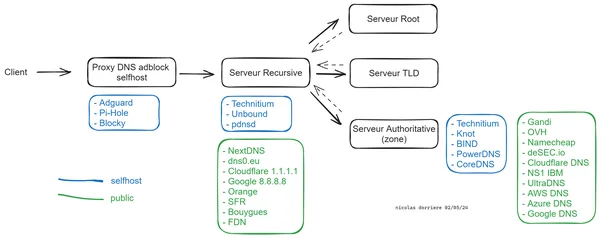
DNS 2026
vmsan
Firecracker made simple. Spin up secure microVMs in milliseconds, from install to interactive shell in one command.
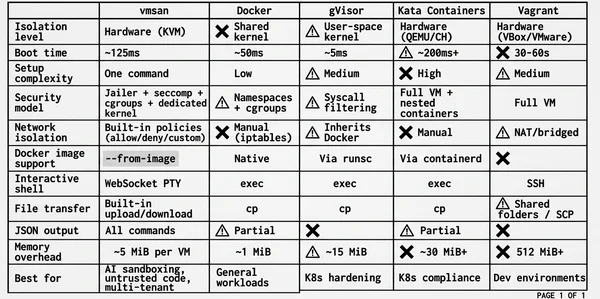
How to run Firecracker microVMs with vmsan on Incus
blog.simos.info/how-to-run-firecracker-microvms-with-vmsan-on-incus
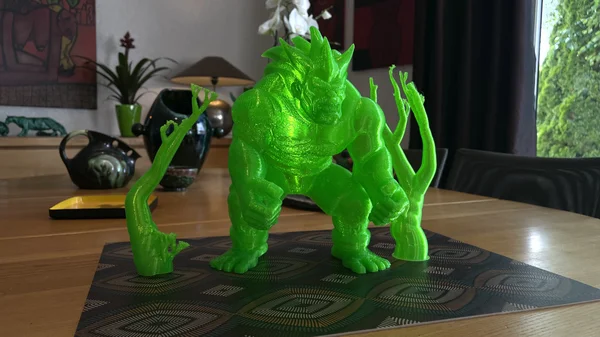
I wanted to share some transparency about this print of Blanka from Street Fighter. I chose fluorescent green PETG, melted at 280°C with an extremely slow print speed. To avoid a 17-hour print for this 25 cm tall monster, I switched to a 0.8 mm nozzle, which reduced the print time to 12 hours.
A total of 15 modifications were made in Bambu Studio, including a notable “Lightning infill” setting to avoid dense internal filling and ensure that light beams could pass through properly.
This dear Blanka is displayed at La Fringale, above the Street Fighter arcade cabinet.
XXXO — La Fringale
hello you
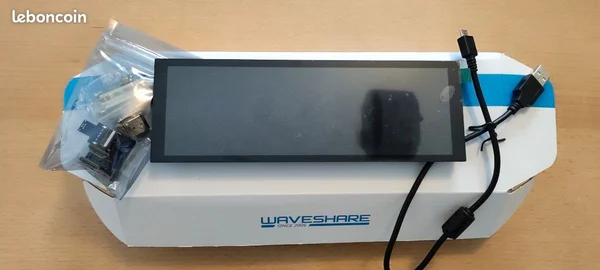
merci leboncoin again