Waifu stack
dev cli/tui only - no 3d creating
日々が過ぎゆく中で、ターミナルで幸せに生きよう。
❃ cpu : ryzen
❃ os : nixos
❃ wm : niri
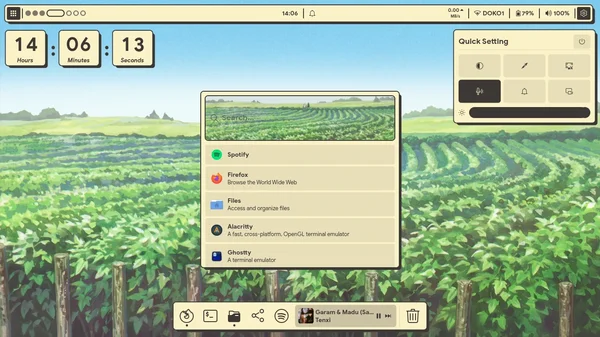
❃ taskbar : quickshell
❃ term : ghostty
❃ shell : nushell
❃ font : JetBrainsMono Nerd
nix docs is kinda hard ; arch wiki rocks


Waifu stack
dev cli/tui only - no 3d creating
日々が過ぎゆく中で、ターミナルで幸せに生きよう。
❃ cpu : ryzen
❃ os : nixos
❃ wm : niri
❃ taskbar : quickshell
❃ term : ghostty
❃ shell : nushell
❃ font : JetBrainsMono Nerd
nix docs is kinda hard ; arch wiki rocks

Wayland Niri X Quickshell = Custom taskbar for *nix
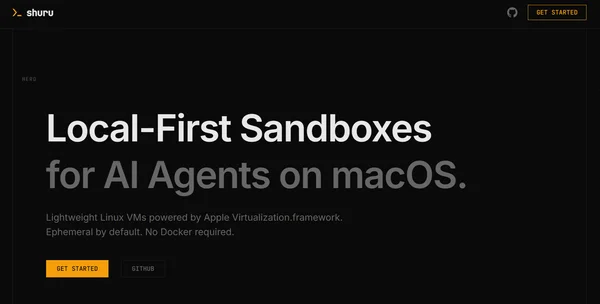
Type : Agent Isolation
Interface : TUI
Environment : Local
Isolation workspace : No
Isolation runtime : Apple Virtualization.framework
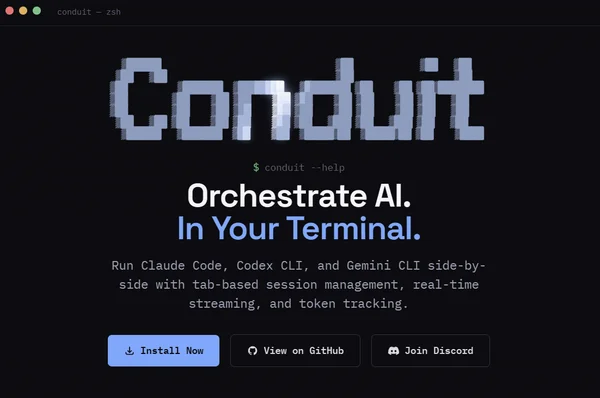
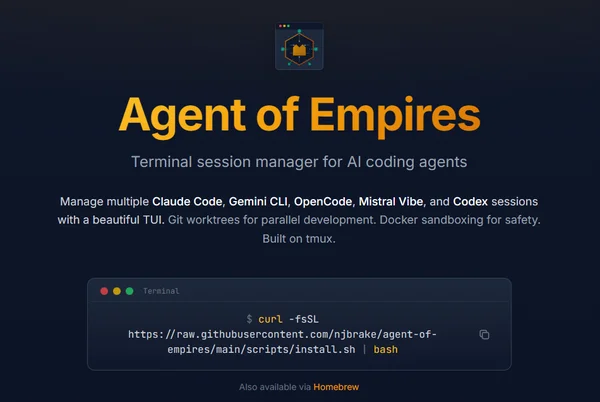
Type : Agent Orchestrator
Interface : TUI
Environment : Local
Isolation workspace : Git worktree
Isolation runtime : No
Type : CLI
Environment : Cloud
Isolation workspace : no
Isolation runtime : Firecracker
Launch secure E2B Sandboxes in just 80ms. Built specifically for AI agents, they provide a full suite of tools for any workflow.
Powered by Firecracker microVMs, each sandbox ensures robust isolation for safely running untrusted code.
Esprit AI deploys autonomous hacker agents that scan your code, find vulnerabilities, validate exploits, and generate fixes — 10x faster than manual pentesting.
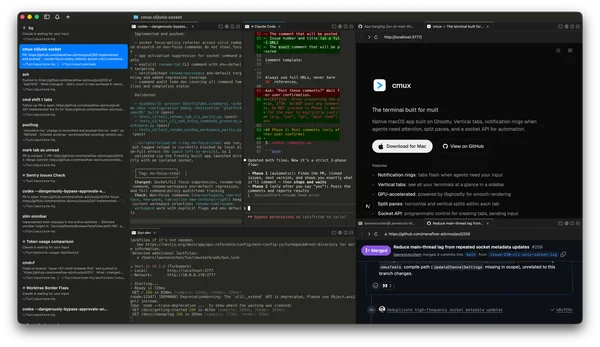
Native macOS app built on Ghostty. Vertical tabs, notification rings when agents need attention, split panes, and a socket API for automation.
cmux.dev
Claude
grep -ohP "useEffect(.?[\K[^]+" **/.tsx 2>&1|tr ',' '\n'|awk 'NF{$1=$1;a[$0]++}END{for(k in a)print a[k],k}'| sort -rn| head -20
👀 yea.. go
It started in 2007 (CUDA)
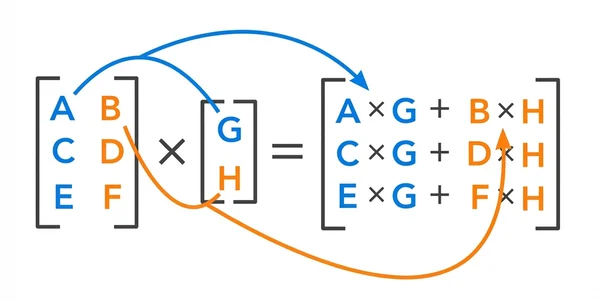
Transformers, the architecture behind ChatGPT, require billions of mathematical computations, giant matrix multiplying each other at lightning speed that must be performed simultaneously in parallel, particularly for the attention mechanism.
CUDA is the software layer that unlocks Nvidia GPUs to execute these billions of operations simultaneously

perfect fit for Mistral AI’s sandboxes
🐁

NixOS X AGS
A framework for crafting Wayland Desktop Shells
Openclaw
Browser automation is hard
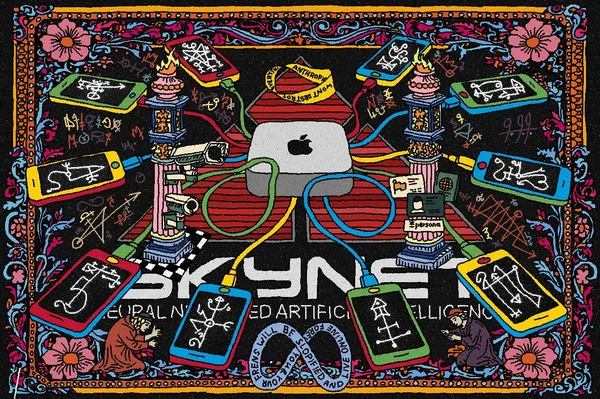
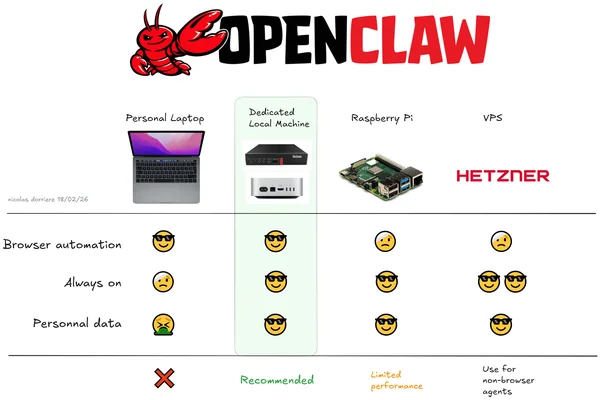
One advantage of having a Mac Mini or an x86 mini PC at home is that you benefit from a residential IP address, whereas 50% of VPS IP addresses will be blocked by websites, which is very useful for web automation.
Deployment Options Compared
Austria Vibe
Openclaw
🇦🇹 Peter Steinberger
Pi agent coding
🇦🇹 Mario Zechner